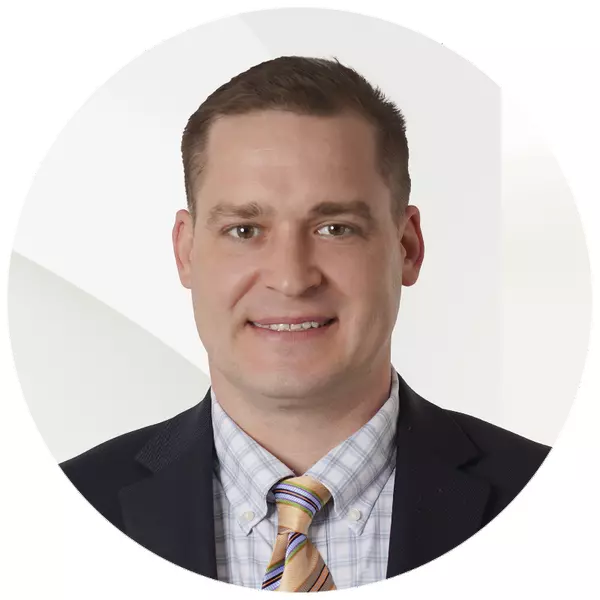
Georgia receives $218.8 million in federal funding for rural healthcare transformation
CLAXTON, Ga. (WTOC) -People from across the area come to Evans Memorial Hospital in Claxton for care. Now, new federal funding could make it even easier for those in rural communities to access the healthcare they need.
The Centers for Medicare and Medicaid Services launched a new program that’s pumping money into rural healthcare systems across the country. Georgia is set to receive $218 million in the first year of a new, five-year federal Rural Health Transformation Program.
David Kelly is based in Augusta, but through Evans Memorial’s telehealth program, he’s able to treat patients virtually in Claxton. Using this technology, Kelly recently helped a patient more than 100 miles away.
“I actually just saw a patient that specifically needed an infectious disease specialist,” said Kelly, a nurse practitioner with Wellstar Health System.
Hospital leaders say telehealth is especially critical for rural areas where transportation can be a major barrier.
“It’s very important in the fact that many that don’t have access or transportation in rural Georgia, transportation can be an issue,” said Bill Lee, CEO of Evans Memorial Hospital. “So what really this funding is really trying to do is bring health care into your home, bring health care into your community.”
Evans Memorial CEO Bill Lee says this investment will help strengthen the level of care available in rural Georgia, where outdated technology remains one of the hospital’s biggest challenges.
“One of the things that the funding would be allocated and appropriated for would be to support a robust telehealth structure,” Lee said.
Over the years, Evans Memorial has faced financial challenges due to limited Medicaid funding, a growing uninsured population, and the loss of federal dollars. Lee says this new funding is a step toward rebuilding.
“It will help us to invest in infrastructure, invest in technology, invest in things that we may not have been able to do because we have lost funding in other ways over the course of the last few years,” Lee said.
For patients in rural Georgia, this funding could mean fewer miles on the road and faster access to the care they need.
Recent Posts