New USC program helps lung cancer patients manage treatment from home
CHARLESTON, S.C. (WCSC) - Living with lung cancer often means spending more time in waiting rooms than in the moments that matter, but a new South Carolina research project hopes to change that by helping patients safely manage more of their treatment from home.
Lung cancer remains the leading cause of cancer deaths both in the United States and in South Carolina for men and women, according to the American Cancer Society.
For many patients, weeks of travel to hospitals or clinics have become part of the treatment process. A study underway at the University of South Carolina is hoping to make that process easier by helping patients manage treatment from home through a phone-based support program.
For people diagnosed with stage 4 lung cancer, the conversation often shifts from the chance of survival to how much time they have left. The Lung Cancer Center reports that five-year survival rates are 10% for stage IVA and 0% for stage IVB.
Targeted therapy has become one of the most important tools for improving quality of life. These medications, usually taken as a pill, attack the specific problems within cancer cells instead of harming healthy cells. They are not a cure, but they can help patients feel better, stay active and remain home rather than making repeated hospital visits.
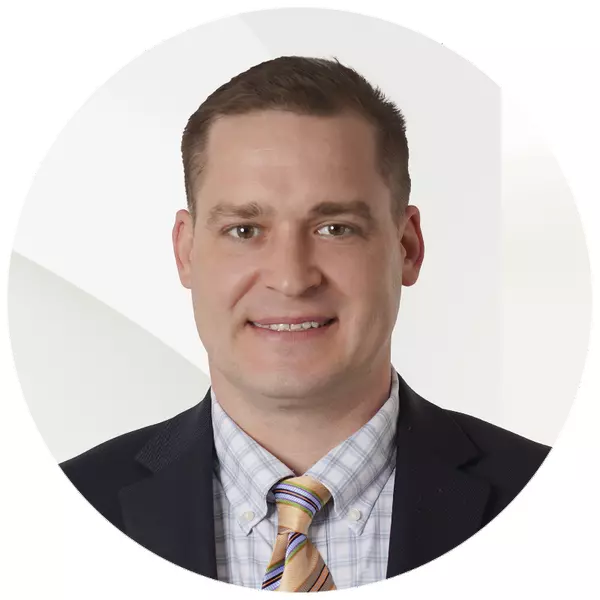
However, targeted therapies can also bring severe rashes, persistent diarrhea and other side effects that interfere with daily life. That challenge is what led Karen Wickersham and her team at the University of South Carolina’s College of Nursing to create the program, which is designed to help patients recognize and manage side effects and stay on treatment longer.
Wickersham says the program is meant to support the real-life goals that matter most to patients.
“The intent of this intervention is to help them learn how to self-manage those things and communicate with their oncology team so that they’re able to stay on their targeted therapy for as long as it’s working for them,” Wickersham says. “Oftentimes, people will come off the targeted therapy because of side effects. So, the actual taking isn’t hard, it’s dealing with everything else, and some individuals will just stop. They just won’t take it anymore.”
She says each participant brings unique hopes and priorities which guide how her team offers support. That includes everyday milestones most people take for granted.
“I have worked with individuals who said that their goal was, ‘I just want to go to my grandson’s baseball game in the spring,’” she says. “These pills can help them make it to their grandson’s baseball game. Our… hope is that, not only will they be able to go to their grandson’s baseball game, but they’ll be able to do it safely, wearing sun protection because they might be at risk for a rash, and ways to manage their diarrhea if they’re having it so that they can enjoy the baseball game and not just show up to it.”
With those goals in mind, Wickersham says her team wants to guide patients to achieve what matters most to them by helping make their day-to-day lives more manageable.
“That’s our intent is to tackle these very specific goals that are important to patients and how can we take those one step further,” she says.
Although the research itself is based in Columbia, people across South Carolina can participate. The pilot program lasts 10 weeks and is open to anyone with lung cancer who is using targeted therapies.
All participants should know that not everyone enrolled will receive the tested treatment and some will receive usual care, which is a normal part of clinical research.
Those interested in enrolling can call 803-704-4659 for more information.
Recent Posts